Understanding Transitional Weather Challenges
Seasonal shifts are tricky. One moment it’s sunny and warm, the next it’s windy with a chill in the air. Transitional weather sits in that awkward in-between, making outfit planning a daily puzzle. If you’ve ever left home in the morning feeling cozy, only to be sweating by noon or shivering by evening, you know the struggle. Layering isn’t just a fashion trick — it’s a survival strategy.
The Unpredictability of Seasonal Shifts
Early spring and late autumn are prime examples. Morning frost gives way to afternoon sunshine, then temperatures plummet after dusk. Your outfit needs to adapt without forcing you to carry half your wardrobe in a tote bag.
Why Layering is the Key to Comfort and Style
Layering allows you to build in flexibility. By stacking pieces in a logical order, you can shed or add items as the day changes. The bonus? Layering opens up endless styling opportunities, letting you combine textures, colors, and silhouettes creatively.
Building a Layering Mindset
Think Function Before Fashion
A stylish look that leaves you freezing is a fail. Start with functionality: consider fabric weight, breathability, and the ease of removing layers. Then, build in your style choices.
Anticipating Temperature Fluctuations
Check the forecast and plan accordingly. If a 15°C swing is expected, your outfit should handle it without making you overheat or feel underdressed.
The Core Components of Layering
Base Layer: Your Comfort Foundation
Your base layer is the first thing against your skin. It should regulate temperature and wick away moisture.
Fabric Choices for Breathability and Warmth
Cotton, bamboo blends, or merino wool excel here. Avoid heavy synthetics unless they have moisture-wicking properties.
Mid Layer: The Style and Insulation Player
The mid layer adds warmth and visual appeal. It can be your statement piece.
Sweaters, Cardigans, and Light Jackets
Chunky knits bring coziness, cardigans add flexibility, and cropped jackets can define your shape while adding structure.

Outer Layer: Weather Protection
This is your shield against the elements.
Coats, Trench Coats, and Windbreakers
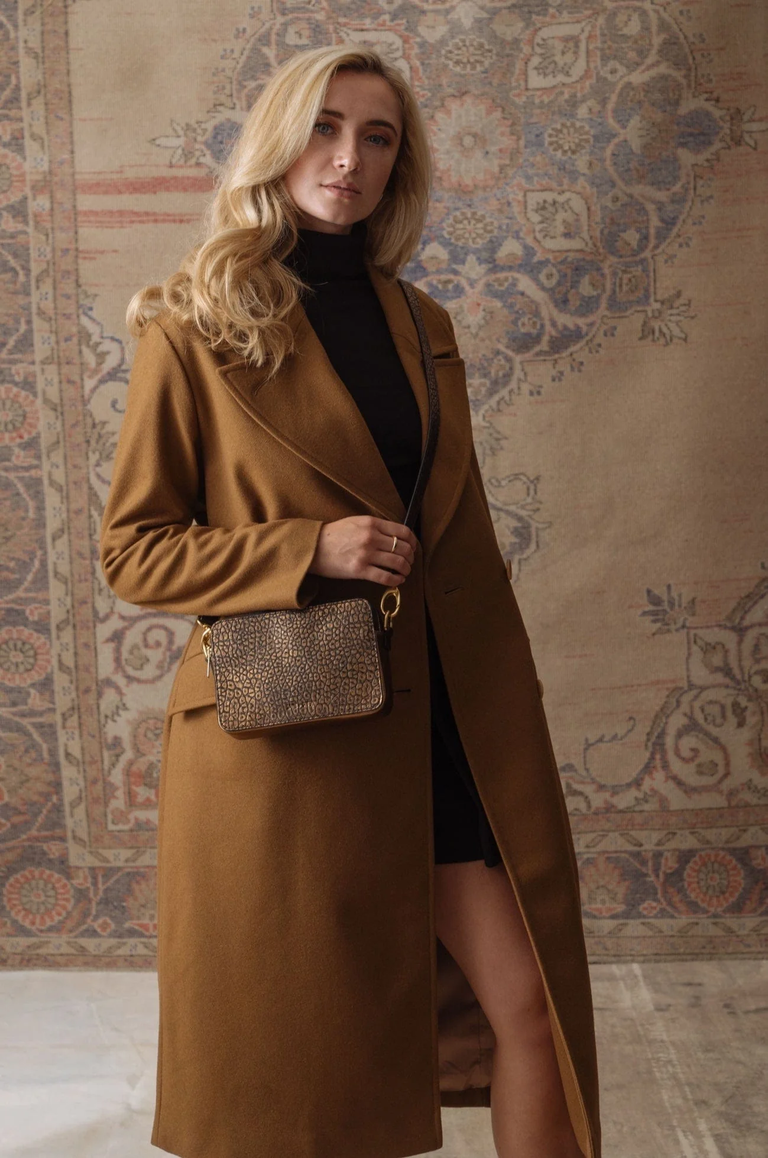
A trench coat works wonders in light rain, while a windbreaker offers sportier protection. For colder days, wool coats bring elegance and warmth.
Mastering Proportions and Silhouettes
Balancing Bulky and Slim Pieces
If your top layers are oversized, keep bottoms slim to avoid looking shapeless. Conversely, slim tops pair beautifully with wide-leg pants.
Playing with Lengths for Visual Interest
Try layering a long cardigan under a cropped jacket, or a tunic over slim trousers, to create visual dimension.
Color Coordination in Layering
Monochrome Layering for a Sleek Look
Sticking to one color family elongates your figure and simplifies outfit planning.
Color Blocking to Add Personality
Bold combinations, like navy and mustard or burgundy and blush, can make a transitional outfit pop.
Mixing Textures for Depth
Wool, Cotton, Leather, and Knits in Harmony
Combining different materials keeps your outfit from feeling flat. A leather jacket over a chunky knit is a timeless example.
Adding Accessories for Texture Contrast
Scarves, belts, and handbags can bring in new textures without overwhelming your look.
Layering for Different Occasions
Casual Everyday Layering
Think jeans, a T-shirt, a plaid shirt, and a denim jacket. Easy to wear, easy to adjust.
Office-Ready Transitional Outfits
A silk blouse under a tailored blazer with a trench on top gives you professionalism and adaptability.
Weekend and Travel Layering Strategies
Lightweight puffer vests, hoodies, and packable raincoats are practical for unpredictable climates.
Common Layering Mistakes to Avoid
Overlayering That Leads to Bulkiness
Too many heavy pieces can make movement awkward and your silhouette unflattering.
Ignoring Weather Forecasts
Even the best layering plan fails if you’re unprepared for rain or wind. Always check before stepping out.
Practical Layering Tips from Stylists
Use Lightweight Scarves for Adaptability
They add warmth without bulk and can be stashed in a bag.
Invest in Convertible Clothing Pieces
Jackets with removable liners, or shirts that double as overshirts, maximize versatility.
Sustainable Layering Practices
Shopping Your Closet First
Before buying new, explore combinations with what you already own.
Choosing Versatile, Timeless Pieces
Neutral-toned coats, well-fitted blazers, and quality knits last for years and work across seasons.
Conclusion
Layering for transitional weather is both an art and a science. It’s about reading the climate, selecting the right fabrics, and balancing function with fashion. Once you master the basics, you’ll move through unpredictable days with ease — and look polished doing it.
FAQs
- What fabrics are best for transitional weather layering?
Merino wool, cotton blends, and bamboo fabrics provide comfort and adaptability. - How can I avoid looking bulky when layering?
Mix slim-fitting items with one or two oversized pieces to keep proportions balanced. - What’s the easiest layering piece to start with?
A lightweight cardigan or denim jacket works with almost anything. - Can layering work for warmer transitional days?
Yes. Use breathable fabrics and fewer, lighter layers. - Is it worth investing in convertible outerwear?
Absolutely. It increases your options and reduces the need for multiple jackets.
About the Author